Not everybody learns the same way.
Some people need to see information. Others need to hear it. Some need to say it out loud, while others need to physically do it before it finally clicks.
That idea sits at the center of what The Playground Rules is building — and why Holy Grail Clothing & Apparel Company chose to support the movement through The Playground Rules Collection.
For years, traditional education systems have largely treated learning like a one-size-fits-all process. But in real life, people absorb information differently. Understanding how you learn can build confidence, improve retention, and make learning feel less frustrating and more natural.
That is where learning styles come in.
What Are Learning Styles?
Learning styles are the different ways people naturally process and understand information.
The Playground Rules focuses on four primary learning styles:
- Kinesthetic Learners
- Auditory Learners
- Verbal Learners
- Visual Learners
Most people lean toward one style more than the others, though many people are a blend of multiple styles.
The goal is not to “label” students. The goal is to help people understand themselves better so they can learn more effectively.
The Kinesthetic Learner
Kinesthetic learners learn best through movement, hands-on activity, and physical interaction.
These are the people who:
- Learn by practicing
- Prefer demonstrations over lectures
- Get restless sitting still too long
- Understand things better once they physically do them
A kinesthetic learner might struggle reading instructions for 20 minutes — but understand immediately once they try it themselves.
That is why hands-on activities, interactive learning, sports, building, movement, and experimentation are so important for this learning style.
The Auditory Learner
Auditory learners absorb information best by hearing it.
These learners often:
- Remember conversations clearly
- Learn through music, rhythm, and repetition
- Prefer verbal explanations
- Retain information better when listening rather than reading silently
This is one reason The Playground Rules incorporates rap, rhythm, rhyme, and sound into learning experiences. Music and cadence can help information stick in ways traditional memorization sometimes cannot.
For auditory learners, hearing the information can make all the difference.
The Verbal Learner
Verbal learners process information through words, speaking, reading, and communication.
These individuals often:
- Enjoy discussion and conversation
- Learn by explaining concepts out loud
- Prefer written or spoken language
- Remember information better after talking about it
A verbal learner may fully understand something only after they explain it to someone else.
They thrive in environments where expression is encouraged rather than suppressed.
The Visual Learner
Visual learners understand information best when they can see it.
These learners often connect with:
- Images
- Colors
- Diagrams
- Demonstrations
- Patterns and visual organization
Visual learners typically remember what something looked like more than what was said about it.
Charts, graphics, symbols, videos, and visual storytelling can help these learners process information faster and retain it longer.
Why This Matters
For many students, struggling in school does not mean they are unintelligent. Sometimes it simply means the information is not being delivered in the way their brain naturally processes it.
That distinction matters.
The Playground Rules is working to make learning feel engaging, expressive, and culturally connected — not rigid or disconnected from real life. Their approach helps students understand that learning differently is not a weakness. It is part of who they are.
That philosophy is exactly why Holy Grail aligned with the organization.
The Playground Rules Collection
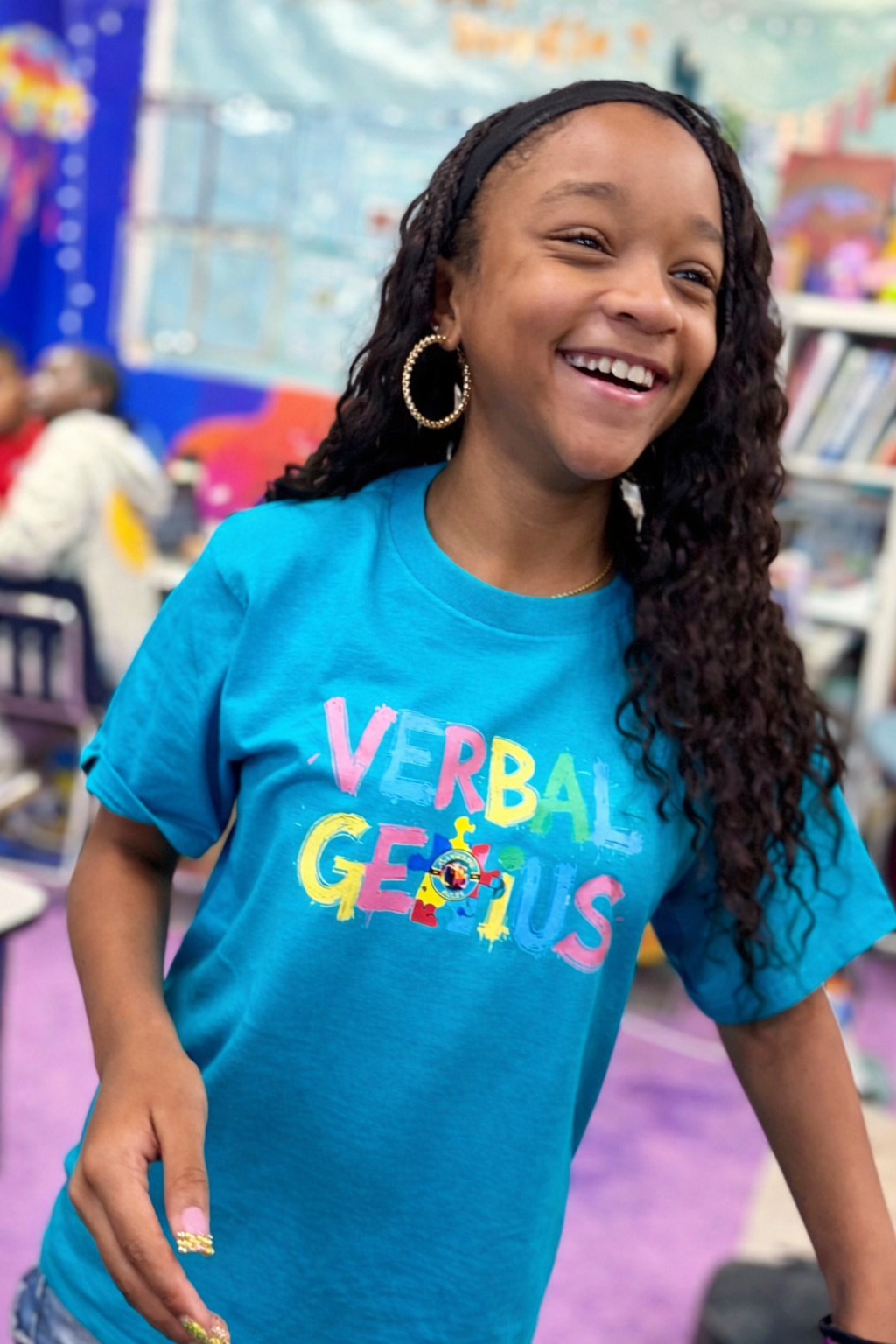
Now available through Holy Grail’s e-commerce platform, The Playground Rules Collection allows supporters to represent their learning style proudly through apparel.
The initial release features tees inspired by the four core learning styles:
- Kinesthetic
- Auditory
- Verbal
- Visual
More than apparel, the collection is designed as a conversation starter — one that encourages young people to think differently about how they learn and how they express themselves.
Because when people understand how they learn, confidence follows.
And when confidence grows, so does potential.


 The Regal Brand Inc.
Leave a comment