Why We Shut Down Our First Transportation Company — and Why That’s Good News
Every business celebrates its victories. Few willingly publish their failures. At The Regal Brand (TRB), we believe both deserve to be studied.
Success tells you what worked. Failure tells you why. And if you’re willing to examine it honestly, failure often becomes the better teacher.
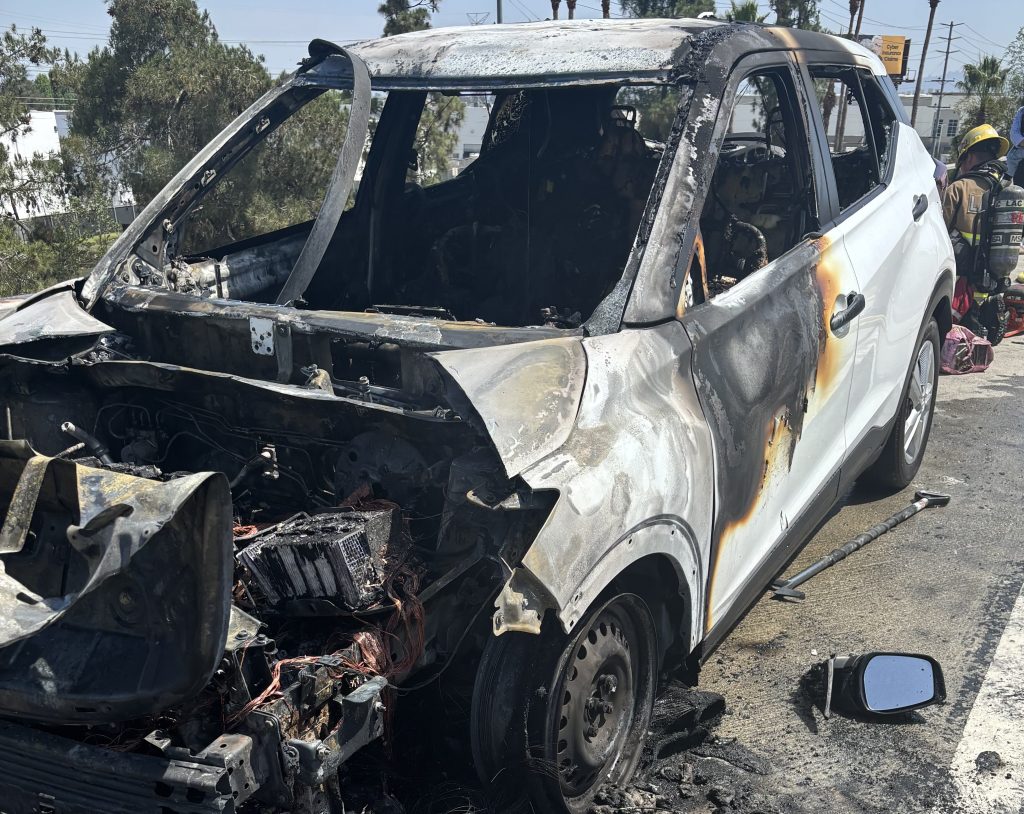
Today, we are officially closing the chapter on Chariot Transportation Company as it existed over the past year. While the company is no longer operating, the mission that inspired it is very much alive. This is a post-mortem — a transparent examination of what we built, what we learned, and how those lessons will shape everything that comes next.
What Chariot Was
Chariot Transportation Company was founded as one of the first operating companies under The Regal Brand.
Its purpose was simple: provide reliable transportation while building firsthand knowledge of the mobility industry.
Operating primarily through the peer-to-peer car-sharing platform Turo, Chariot served both Las Vegas residents and visitors traveling to Southern Nevada. Every reservation represented more than rental income. It was an opportunity to study customer behavior, operational logistics, pricing, maintenance, utilization, and the realities of running a transportation business in one of the busiest tourism markets in the world.
On the surface, Chariot rented vehicles. Behind the scenes, it was conducting research.
Why Chariot Mattered
Las Vegas welcomes millions of visitors every year, and transportation plays an essential role in keeping the city’s economy moving.
Every Chariot reservation helped travelers reach hotels, restaurants, entertainment venues, sporting events, conventions, and local businesses throughout the valley. The company contributed to the local economy by increasing transportation options while keeping visitor spending circulating through the community.
More importantly, Chariot became a classroom. It exposed us to the daily realities of fleet operations, customer service, airport logistics, maintenance schedules, insurance requirements, vehicle depreciation, cleaning standards, utilization rates, and regulatory compliance.
That experience cannot be purchased in a textbook. It has to be earned.
Cause of Death
Every post-mortem begins with identifying the primary cause.
From a business perspective, for Chariot, that cause was insufficient capitalization.
The company did not close because people stopped renting vehicles. Customers responded positively to the service, and the business demonstrated real demand.
The challenge was sustaining an asset-intensive operation without sufficient capital to absorb its ongoing costs while positioning the company for growth.
Several contributing factors accelerated that outcome. Vehicle depreciation steadily reduced asset value. Maintenance and repair costs increased as vehicles accumulated mileage. Insurance premiums and registration expenses continued regardless of whether vehicles were producing revenue. Operational interruptions reduced utilization at critical moments.
Taken individually, none of these challenges were fatal. Together, they created a business model that required greater financial resources than were available during this stage of development.
That is not an excuse. It is an observation, and understanding the difference is essential.
What We Learned
Closing Chariot does not mean the experiment failed. It means the experiment produced results.
One of the greatest lessons was that transportation is far more operationally complex than it appears from the outside. Every successful trip depends upon hundreds of small systems working together consistently.
We also learned that cash flow often determines survival long before profitability does. A sound idea cannot compensate for inadequate capitalization.
Most importantly, we discovered something unexpected about ourselves. We were never most energized by renting vehicles. We were energized by studying how mobility works. The questions became bigger than the business itself.
How do people move through cities? What services naturally belong together? How should transportation integrate with commerce, hospitality, technology, and community spaces?
Those questions changed everything.
Discovering Our Hedgehog Concept
In Good to Great, author Jim Collins describes the Hedgehog Concept as the intersection between what an organization can be the best in the world at, what drives its economic engine, and what it is deeply passionate about.
Chariot helped reveal that intersection for The Regal Brand. Our future is not simply operating transportation services. Our future is designing better mobility ecosystems.
The experience gained through Chariot reinforced our long-term vision for Chariot Transportation Hubs—integrated destinations where transportation, retail, hospitality, food service, charging infrastructure, business services, and community engagement exist in one connected environment.
The vehicle was never the destination. It was the starting point.
Where We Go From Here
Every company eventually reaches a crossroads. Some continue doing what they have always done. Others apply what they have learned and build something better. The Regal Brand is choosing the second path.
The knowledge earned through Chariot will influence future ventures, partnerships, operating models, and investments across our organization. Rather than abandoning mobility, we are approaching it with greater clarity, stronger discipline, and a deeper understanding of the industry we seek to serve.
That is what progress looks like. Not avoiding mistakes. Learning from them.
Why We Chose to Publish This
Many organizations only communicate success. We believe transparency creates trust.
Publishing this post-mortem reflects the kind of company we intend to become—one willing to examine its decisions publicly, learn continuously, and improve deliberately.
If our experiences help another entrepreneur avoid a costly mistake, then Chariot continues creating value long after its final reservation, and that is a legacy worth preserving.
The Road Ahead
The end of Chariot is not the end of our mobility ambitions; but it is the end of our first chapter.
Every lesson documented through this experience now becomes part of The Regal Brand’s institutional knowledge. Those lessons will shape the businesses we launch, the partnerships we pursue, and the systems we build in the years ahead.
Companies are not defined by every venture they close. They are defined by what they build because of those experiences. We are grateful to every customer who trusted us, every supporter who believed in the vision, and every person who has followed our journey. If you believe in organizations that are willing to share what they learn—not just what they accomplish—we invite you to become part of that journey.
Subscribe to the TRB Newsroom, follow The Regal Brand and its companies on social media, share our work with others, or consider making a contribution to help us continue researching, building, and documenting the ideas that will define the next generation of our company.
This chapter may be complete. The story is just beginning.


 The Regal Brand Inc.
Leave a comment